
A new life for the Rio 2016 competition pool
Some pools are born for an event. Others are designed to endure. The story of the Olympic pool of the Rio 2016 Games clearly belongs to the latter. In 2026, this iconic competition pool began a new chapter at Parque Oeste Ana Gonzaga, in Rio de Janeiro’s Zona Oeste, marking the symbolic completion of the city’s Olympic legacy programme. For Myrtha Pools, the project represents the third reinstallation of the temporary pools used at Rio 2016, following earlier relocations to Manaus and Pituba, Salvador de Bahia, all originally built for the Parque de los Atletas.
The pool now installed at Parque Oeste comes from the former Olympic Aquatics Stadium, where some of the most memorable moments of the Games unfolded, including the final Olympic races of Michael Phelps and the celebrated Paralympic performances of Clodoaldo Silva. Today, after being dismantled, transported and reassembled, the pool retains its official competition dimensions – 50 x 25 metres, with a depth of 2 metres – and the same technical performance that once defined the Olympic stage.
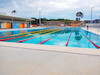
What has changed is its role. Set within a 230,000-square-metre urban park, the pool is now managed by the Municipal Sports Department and serves the local community on a daily basis. It hosts a wide range of aquatic programmes, from baby swimming and youth lessons to courses for teenagers and adults. At weekends, the facility also opens as a supervised leisure space, offering residents a safe and inclusive environment for sport, wellbeing and social interaction.
The Parque Oeste project represents the final major delivery of Rio’s Olympic sports legacy, but it is part of a broader, consistent journey.
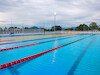
As early as 2017, one of the Myrtha Pools used during the Games was reinstalled in Manaus, at the city’s Vila Olímpica. Donated to the local authorities and reactivated with limited logistical costs, the Olympic-sized pool quickly became a catalyst for aquatic sports development in the region, supporting training and competitions in swimming, water polo, artistic swimming and diving.
A year later, in 2018, the legacy reached Salvador de Bahia, where the pool was transformed into the centrepiece of the Arena Aquática da Pituba. Overlooking the Atlantic coast, the venue evolved into a multifunctional aquatic hub, combining elite sport, education, health services and public access, an example of how Olympic infrastructure can be seamlessly integrated into everyday urban life.
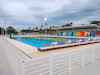
Three cities. Three different social and geographical contexts. One shared vision.
Through the reinstallations in Manaus, Pituba and now Parque Oeste, Myrtha Pools demonstrates how temporary Olympic venues can be reimagined as lasting, sustainable and accessible facilities. Not monuments to a past event, but living infrastructures, capable of generating social value, sporting opportunity and community engagement long after the final medal has been awarded.


